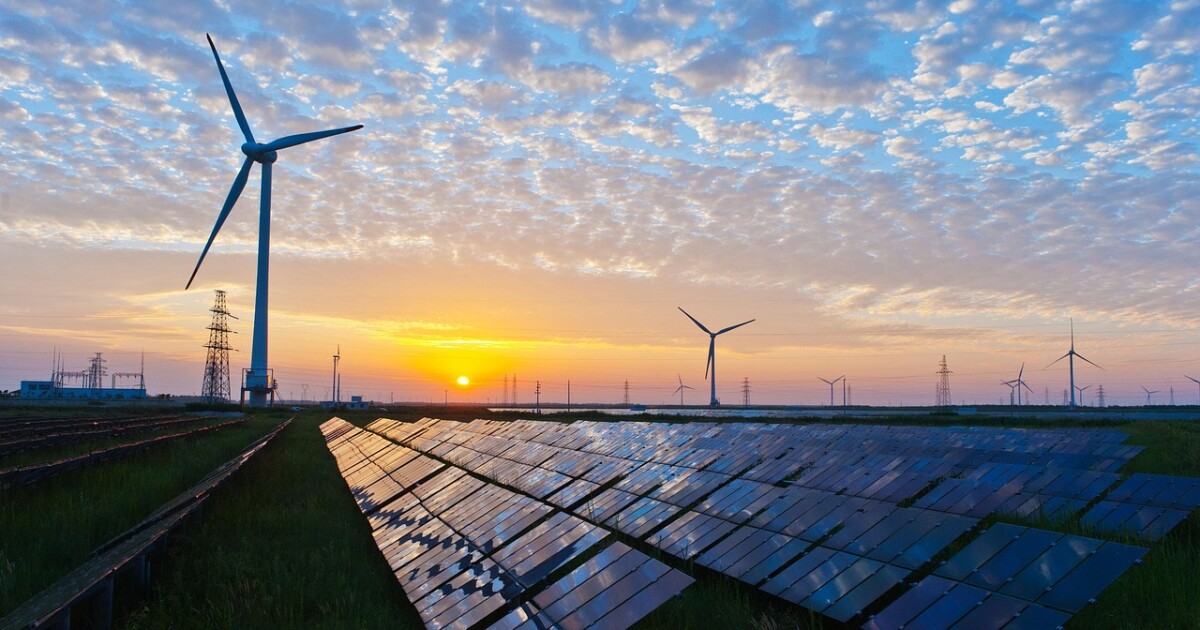
Illinois officials pledged to take on new green energy projects and step away from fossil fuel reliance, but the state has hit a major roadblock in that pledge – the federal government.
In 2021, Illinois became the first state in the Midwest to pass legislation creating a roadmap for the state to ban coal and other fossil fuels, while dedicating over $1 billion to rapidly boost the state’s wind, solar and nuclear energy production.
By 2030, the state’s existing coal plants would have to emit zero carbon emissions or be shut down. By 2050, the state would mandate only clean energy sources for electricity.
“We can’t outrun or hide from climate change – not to the north, where the Boundary Waters burn; not to the south, where [Hurricane] Ida swallows lives and livelihoods in the blink of an eye,” Pritzker said in a statement when he signed the bill into law.
Four years and a new president later, hopes for a cleaner electrical grid in Illinois are looking darker.
Sierra Club Illinois Director Jack Darin said Illinois and the federal government have two different, conflicting energy goals, and the state will have to rely on itself to accomplish its green energy goals.
“We’re doing what we can to attract those projects and those good jobs here to Illinois, but yes, it absolutely gets harder when the federal government is trying to chase them out of the country,” Darin said. “Illinois is on its own in building our clean energy future.”
President Donald Trump’s administration has reversed much of the green energy work done under President Joe Biden. In June, Trump canceled nearly $250 million in grants going toward Illinois companies for green energy projects. Tax credits for installing solar panels or purchasing electric vehicles are set to be eliminated under Trump’s One Big Beautiful Bill.
Environmental advocacy group Prairie Rivers Network’s Director of Energy and Community Resiliency Amanda Pankau said the federal government is making it harder to invest in clean energy for companies and consumers.
“We know that clean energy is the cheapest and often the quickest way to get new, clean, non-polluting, cheap electricity onto the grid. And this administration is rolling back incentives to make that happen,” Pankau said.
Trump’s cuts are also affecting state programs. Trump pulled around $130 million from Illinois’ Solar for All program, which helped low-income residents install rooftop solar panels and other related programs.
Pankau said tax credits like this are the “bread and butter” of transitioning people to green energy. She added without it, moving toward green energy will be harder.
While Illinois has pledged to shut down coal plants over the next several decades, the U.S. Department of Energy is looking to keep those same plants running longer.
The DOE announced last week a $625 million investment in recommissioning old coal plants, developing new wastewater management systems to extend the life of coal plants and funding coal plant technology improvements.
Reenergizing coal energy production will help save jobs and lower energy costs while being more reliable than green energy, U.S. Secretary of Energy Chris Wright said in a press release.
“These funds will help keep our nation’s coal plants operating and will be vital to keeping electricity prices low and the lights on without interruption,” Wright said in a press release.
The DOE hasn’t yet announced which projects will receive money and whether funding will be grants or loans.
Darin said the Trump administration has it backward and green energy is the cheaper, safer energy source, not coal.
“These steps would be a giant step backward on climate action, but also a huge increase in costs to consumers. We’re at the point now where renewable energy and energy efficiency are by far the cheapest forms of energy available,” Darin said.
According to a report from the International Renewable Energy Agency, 91% of new renewable energy projects built in 2024 were cheaper than their fossil fuel counterparts.
Renewable energy investments
Federal government investments into renewable energy will continue to take a hit, according to a report from E2, a nonpartisan business analysis group.
Over 10,000 jobs in clean energy and $14 billion in renewable energy investments have been canceled or downsized in the U.S. since January over uncertainty about changes to energy policy from the federal government, according to the report.
In Illinois, electric bus producer Lion Electric’s plans for a facility in Joliet and electric vehicle manufacturer Stellantis NV’s plan for a battery and large parts hub in Belvidere will be delayed for years.
E2 estimates the two projects’ cancellation and delays account for over $3 billion in investments lost and nearly 2,500 jobs lost.
With a loss of interest from the federal government, Illinois will have to fill the gaps left by the Trump administration.
“The primary driver of Illinois’ clean energy boom is Illinois’ policies. However, we’re not immune,” Darin said. “When Trump is raising rates to prop up fossil fuel companies in other states. It does have an impact on prices here in Illinois.”
Environmental activists hope Illinois can fill some of those gaps with legislation in the October veto session. On the negotiation table are bills investing in battery storage for the electrical grid to store electricity produced by renewable energy and creating new nuclear reactors across the state.
Jack O’Connor is a graduate student in the Public Affairs Reporting program at the University of Illinois Springfield.


Leave a Reply