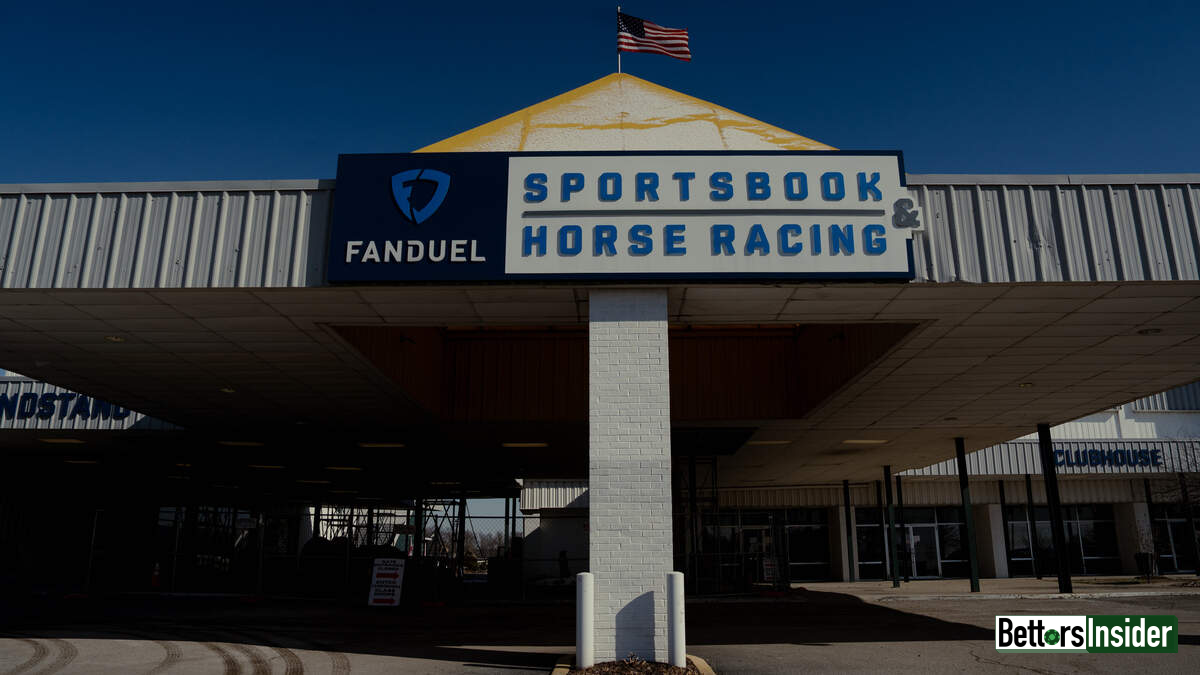
Retail sports betting operations at Fairmount Park in Illinois are being discontinued, as Accel Entertainment, the operator behind the facility’s sportsbook, is ending its presence at the horse racing venue. The closure removes one of the state’s longer-standing retail sports betting locations and reflects the ongoing consolidation of in-person betting operations in Illinois as the market matures and operators reassess the economics of physical sportsbook locations.
Fairmount Park, located in Collinsville near the Missouri border in the St. Louis metro area, had been one of the facilities benefiting from Illinois’ allowance of sports betting at horse racing tracks and other licensed venues. When Illinois legalized sports betting in 2019, the state created a framework that permitted existing gaming facilities including racetracks to offer in-person wagering, providing a revenue opportunity for venues that had struggled with declining horse racing attendance over the years.
Why Retail Sports Betting Is Struggling in Illinois
The closure at Fairmount Park illustrates a challenge that retail sportsbooks have faced in nearly every legalized state: in-person wagering has struggled to compete with the convenience of mobile and online betting, which allows bettors to place wagers from anywhere in the state without traveling to a physical location. In Illinois, mobile sports betting has grown to dominate total handle, with the vast majority of wagers placed through apps operated by major sportsbooks including DraftKings, FanDuel, and BetMGM.
For a regional venue like Fairmount Park, the economics of operating a retail sportsbook are particularly challenging. The facility draws from a market that is geographically close to Missouri, where sports betting options — both retail and mobile — have been available since 2023. Operators weighing the staffing, technology, and overhead costs of a physical sportsbook against actual wagering volume at smaller venues have, in many cases, concluded that the numbers do not support continued investment.
Illinois has been one of the most closely watched legal sports betting states because of its size, competitive tax structure, and the ongoing debates over in-person registration requirements and other regulatory details. The state has produced substantial sports betting revenue since launching its market, but the distribution of that activity has tilted heavily toward digital channels, leaving some in-person operators with a smaller share of handle than they anticipated when the market opened.
The Broader Picture for Retail Sports Betting
The Fairmount Park closure is part of a broader pattern across the United States. Retail sportsbooks at casinos and venues that were opened with fanfare in the early days of market legalization have quietly closed or scaled back in multiple states as operators recalibrate. Casinos with built-in foot traffic and destination appeal have generally fared better than standalone or venue-adjacent sportsbooks that rely on bettors specifically seeking an in-person wagering experience.
At the same time, states like Nevada, which has had retail sports betting for decades, continue to demonstrate that physical sportsbooks can thrive in the right environment — particularly in destination cities with large tourist populations. The difference between those markets and places like Fairmount Park comes down largely to volume, and whether the venue’s existing customer base generates enough wagering activity to justify the operational investment.
Bettors in Illinois can continue to access legal mobile sports wagering through licensed apps. For a full overview of options available in the state, the online sportsbooks in Illinois guide covers the major operators and what each brings to the table.


Leave a Reply